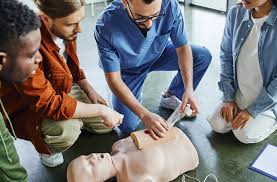
Basic Life Support (BLS) certification is an essential credential for healthcare providers, first responders, and individuals seeking to enhance their lifesaving skills. It equips participants with the knowledge and techniques necessary to respond effectively in emergency situations, including cardiac arrest, choking, and other life-threatening conditions. As the need for immediate medical intervention is critical in such scenarios, BLS training plays a pivotal role in preparing individuals to act swiftly and confidently when every second counts.
This article delves into the significance of BLS certification, the training process, and its impact on both personal and professional levels. We will explore the course content, certification requirements, and the benefits of acquiring this vital skill set. Whether you are a medical professional or someone interested in being a responsible community member, understanding BLS principles can make a difference in saving lives.
Importance of BLS Certification
Acquiring Basic Life Support (BLS) certification is crucial not only for healthcare professionals but for anyone aiming to contribute positively in emergency situations. The skills learned through BLS training are applicable across various settings, including workplaces, schools, and community gatherings. By understanding how to recognize the signs of cardiac distress and how to perform chest compressions and rescue breaths effectively, certified individuals can make prompt decisions that save lives.
Training Process and Benefits
The BLS training process typically involves hands-on practice, interactive lectures, and simulations to ensure comprehensive mastery of the techniques. Participants learn how to operate an Automated External Defibrillator (AED) and how to assist victims of choking or respiratory emergencies. Obtaining bls certification not only improves personal readiness but also enhances professional credentials in healthcare and emergency response roles. Furthermore, BLS training fosters a sense of responsibility and empowerment, encouraging individuals to take action when faced with emergencies, significantly contributing to community safety.
In conclusion, Basic Life Support (BLS) certification stands as a vital asset in today’s society, bridging the gap between potential life-threatening situations and effective emergency response. By enhancing individuals’ skills and knowledge, BLS training prepares them to act decisively in moments of crisis, transforming bystanders into lifesavers. The ability to perform critical techniques such as CPR and the use of an AED not only bolsters personal confidence and readiness but also strengthens the fabric of community safety and preparedness. As emergencies can arise unexpectedly, the value of having certified individuals equipped with BLS skills cannot be overstated; it ultimately leads to increased survival rates and a significant positive impact on countless lives. Thus, pursuing BLS certification is not merely a professional requirement but a meaningful commitment to the well-being of others in any community.