
Category: Informational

Renovate the Mind: Designing Meditation and Relaxation Nooks

August 31, 2022

In the pursuit of the ultimate dream home makeover, it’s not all about aesthetics and functionality. Your dream home should also be a sanctuary for your mind and soul. Creating dedicated meditation and relaxation spaces can transform your home into a haven of tranquility and mental well-being. In this guide, we’ll explore how to design these peaceful nooks that will rejuvenate your spirit.

The Importance of Mindful Spaces

Understanding the Need

In our fast-paced world, stress and anxiety often dominate our lives. Having a designated space for meditation and relaxation can be a game-changer for your mental health. It’s a place where you can disconnect from the chaos and reconnect with yourself.

The Benefits

A meditation and relaxation nook offers numerous benefits. It can reduce stress, improve focus, enhance creativity, and promote overall mental well-being. By investing in these spaces, you’re investing in your mental health.

Dream Home Makeover' Reveals the Living Room Design Rule To Break Right Now

Planning Your Mindful Space

Selecting the Right Location

Begin by choosing the perfect location for your nook. It could be a spare room, a corner of your bedroom, or even a cozy spot in your garden. Ensure it’s a place where you can find peace and quiet.

Creating a Minimalist Atmosphere

Keep the design simple and clutter-free. Minimalist decor with calming colors like soft blues, greens, or neutrals can create a soothing atmosphere.

Comfort is Key

Invest in comfortable seating like a cushioned chair, a soft rug, or a meditation cushion. Your comfort is paramount during meditation and relaxation.

Designing for Meditation

Incorporate Natural Elements

Bringing nature indoors can enhance your meditation experience. Consider adding indoor plants, a small water feature, or natural materials like wood and stone.

Soft Lighting

Install soft, adjustable lighting that allows you to set the mood. Consider candles, Himalayan salt lamps, or dimmable LEDs.

Personal Touch

Add personal elements like artwork, sculptures, or symbols that hold special meaning for you. These can create a deeper connection to your space.

Designing for Relaxation

Cozy Reading Nook

If relaxation involves reading, create a cozy reading nook with a comfortable chair or chaise lounge and a well-stocked bookshelf.

Soundscapes

Incorporate soothing sounds like a small tabletop fountain, wind chimes, or a quality sound system playing calming music or nature sounds.

Aromatherapy

Use essential oils or incense to infuse the air with calming scents. Consider an essential oil diffuser to maintain a gentle aroma.

Maintaining Your Mindful Space

Regular Cleansing

Just as your mind needs a break, your mindful space needs regular cleansing. Keep it tidy and clutter-free to maintain a tranquil atmosphere.

Daily Practice

Make visiting your nook a daily ritual. Whether it’s morning meditation or evening relaxation, consistency is key to reaping the full benefits.

Conclusion: Your Mental Oasis

In the quest for the perfect dream home makeover, don’t forget to renovate your mind. Designing meditation and relaxation nooks can have a profound impact on your mental well-being. These spaces offer solace, peace, and a chance to reconnect with yourself in our busy world.
Hydroponic Water Recycling: Sustaining Agriculture, Preserving Resources

Hydroponic Water Recycling: Sustaining Agriculture, Preserving Resources

September 12, 2021

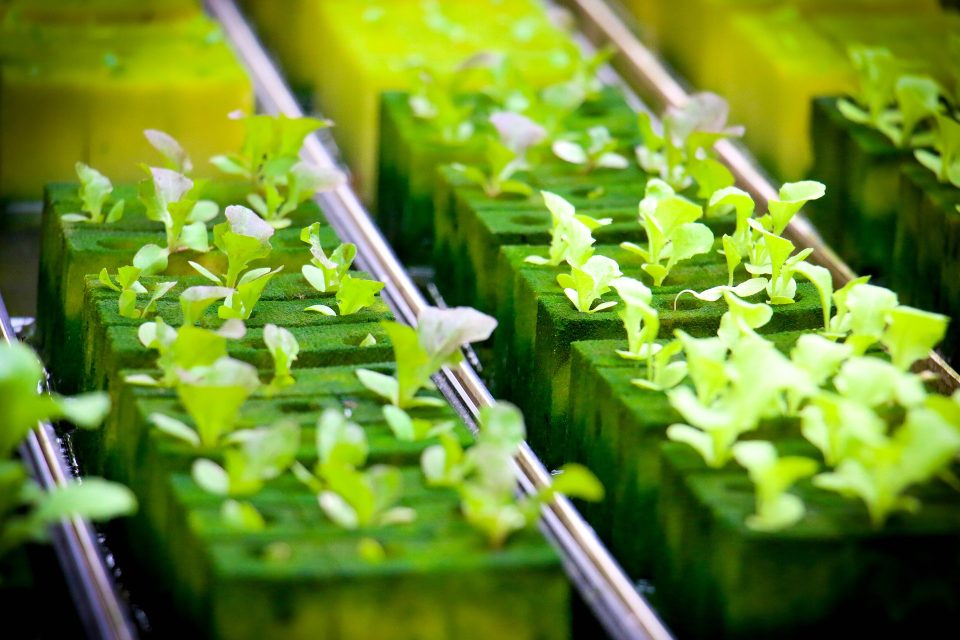
Hydroponics, a soilless cultivation method, is renowned for its resource-efficient approach to farming. One of the key sustainability aspects of hydroponics is water recycling. This innovative practice not only conserves water but also minimizes nutrient waste, making it a crucial component of environmentally responsible agriculture. In this blog post, we’ll explore the concept of hydroponic water recycling and its significance in modern farming. For more information regarding hydroponic plant one can visit our site https://hydroponicglobal.com.au/.

1. Closed-Loop Systems:

Hydroponic water recycling is founded on the principle of closed-loop systems. Unlike traditional soil-based agriculture, where water is lost to evaporation, runoff, and deep percolation, hydroponics retains water within the system. Water that is not absorbed by plants is collected, filtered, and recirculated, minimizing wastage.

2. Nutrient Conservation:

In hydroponic systems, nutrients are dissolved in the water to nourish plants. Water recycling ensures that these nutrients are conserved. Instead of being lost in the soil, as often happens in conventional farming, nutrients are captured and reused, reducing the need for frequent replenishment and minimizing nutrient runoff into natural waterways.

3. Reduced Water Usage:

Hydroponic water recycling dramatically reduces water usage compared to traditional farming. This is particularly significant in regions facing water scarcity, where every drop counts. By recycling water, hydroponic systems can thrive using up to 90% less water than traditional soil-based agriculture.

4. Water Quality Management:

Water recycling in hydroponics goes hand in hand with rigorous water quality management. Growers carefully monitor and maintain the pH levels, electrical conductivity (EC), and nutrient concentrations in the recirculating water to ensure optimal plant health. This precision minimizes waterborne diseases and nutrient imbalances.

5. pH Adjustment:

One key aspect of hydroponic water recycling is pH adjustment. Over time, the pH of the recirculating water can drift due to nutrient uptake and chemical reactions. Growers use pH buffers and pH adjustment solutions to maintain the desired pH range for plant growth, ensuring that plants can efficiently access nutrients.

6. Nutrient Solution Replenishment:

While water and nutrients are recycled, there is a need to periodically replenish nutrients as plants absorb them. However, the frequency of replenishment is significantly lower than in traditional agriculture, as most of the nutrients remain within the closed-loop system.

7. Algae Control:

Water recycling can sometimes lead to algae growth in hydroponic systems, which can disrupt plant growth and nutrient balance. Innovative solutions, such as light-blocking materials and UV sterilizers, are employed to control algae and maintain water quality.

8. Environmental Benefits:

Hydroponic water recycling has profound environmental benefits. By reducing water usage and preventing nutrient runoff, it helps conserve natural water resources and protects ecosystems from nutrient pollution. It also lessens the carbon footprint associated with water pumping and transportation.

9. Sustainable Farming Practices:

Water recycling aligns with broader sustainable farming practices. It supports the principles of responsible resource management, efficient production, and reduced environmental impact, making hydroponics a sustainable choice for modern agriculture.

10. Urban Agriculture:

Hydroponic water recycling is particularly valuable in urban agriculture, where space and resources are limited. Urban farms can thrive with minimal water usage and can be integrated into urban landscapes, contributing to local food production and reducing the need for long-distance transportation.

11. Educational Value:

Hydroponic water recycling serves as an educational tool. It demonstrates the importance of responsible resource management and the practical application of sustainable farming techniques. Many educational institutions and programs use hydroponics to teach students about water conservation and agriculture.

In Conclusion:

Hydroponic water recycling is at the heart of sustainable agriculture. It exemplifies the potential to cultivate crops efficiently, using fewer resources and with a reduced environmental impact. By closing the loop on water and nutrient use, hydroponics demonstrates how modern farming can meet the world’s food needs while preserving the planet’s vital resources.

As global challenges related to water scarcity and climate change intensify, hydroponic water recycling offers a tangible solution for the agricultural sector. It underscores the capacity of innovative farming practices to sustainably feed the world’s population while safeguarding our precious water resources.

Incorporating hydroponic water recycling into agriculture is not just a responsible choice; it’s a necessity for a more sustainable and resilient food future.

Logo-Stamped Shipping Boxes: Elevating Brand Recognition in Transit

Logo-Stamped Shipping Boxes: Elevating Brand Recognition in Transit

August 17, 2020

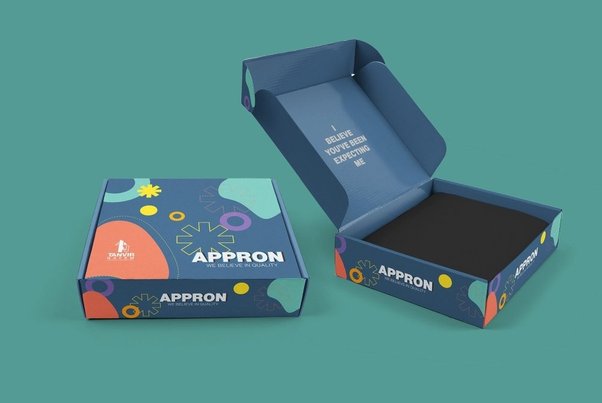
Nupack are packaging solutions that prominently feature the brand’s logo stamped onto the exterior of the box. This technique involves impressing the logo onto the surface of the box using various methods such as embossing, debossing, foil stamping, or ink printing. These logo-stamped boxes serve as a distinctive and recognizable representation of the brand during the shipping and delivery process. Here’s a closer look at logo-stamped shipping boxes:

  1. Brand Identity Display: Logo-stamped shipping boxes boldly showcase the brand’s logo, ensuring that the brand’s identity is visible to anyone who comes in contact with the package.
  2. Brand Recognition: The prominent logo reinforces brand recognition, making the package easily identifiable and memorable, even before it’s opened.
  3. Professional Appearance: Logo-stamped shipping boxes exude professionalism and attention to detail, leaving a positive impression on recipients.
  4. Unboxing Experience Extension: The logo-stamped design carries the brand’s identity into the unboxing experience, enhancing the continuity from shipment to product discovery.
  5. Visual Consistency: Logo-stamped shipping boxes maintain the brand’s visual consistency, aligning with other branding elements across various touchpoints.
  6. Shareable Packaging: Recipients are more likely to share visually appealing and logo-stamped boxes on social media, generating organic exposure.
  7. Brand Messaging Opportunity: Logo-stamped boxes can be used to convey brand messages, taglines, or website URLs, turning the box into a direct marketing platform.
  8. Elevated Perceived Value: Logo-stamped packaging adds a touch of sophistication and quality, enhancing the perceived value of the products inside.
  9. Positive Impression: Logo-stamped shipping boxes show that the brand cares about even the smallest details, leaving a positive impression on customers.
  10. Differentiation in Transit: Among a sea of plain boxes, logo-stamped packaging stands out, making the package recognizable and memorable.
  11. Enhanced Security: Logo-stamped boxes can include security features, ensuring that the package remains intact and tamper-free during transit.
  12. Sustainable Branding: Logo-stamped shipping boxes can align with eco-friendly practices, reflecting the brand’s commitment to sustainability.
  13. Versatility in Design: Logo-stamped boxes can incorporate various design elements such as colors, patterns, and textures for added visual appeal.
  14. Brand Advocacy: Recipients of logo-stamped boxes are more likely to become brand advocates, sharing their positive experiences with others.
  15. Customer Satisfaction: The attention to detail in logo-stamped shipping boxes contributes to customer satisfaction and loyalty.
  16. Seamless Brand Experience: Logo-stamped boxes create a seamless brand experience from order placement to delivery, reinforcing brand consistency.

Conclusion: An Identity on the Move

Logo-stamped shipping boxes go beyond being just containers—they serve as mobile representatives of the brand’s identity, ensuring that your brand’s logo is visible and recognized at every step of the shipping journey. By integrating logo-stamped shipping boxes, businesses enhance the brand’s reach, create lasting brand impressions, and deliver a consistent and memorable experience to recipients. Each logo-stamped box becomes a traveling ambassador of the brand, showcasing values, quality, and dedication to delivering exceptional customer experiences.