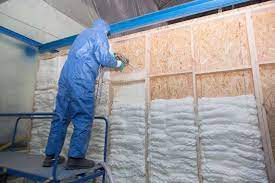
When it comes to home energy efficiency, spray foam insulation is a game changer. It creates an air seal that keeps hot air out in the summer and cold air in during the winter, lowering the cost of heating and cooling your house by up to 40 percent. It also reduces the strain on your air conditioner, furnace and heat pump, prolonging their life span.
To get the best results, homeowners should work with a qualified spray foam insulation contractor. This will ensure the job is done properly and up to building code. When choosing a spray foam insulation company, homeowners should look for accreditations from the spray foam insulation services in lethbridge These certifications will demonstrate that they have been trained on best practices and that they implement these standards in their business operations.
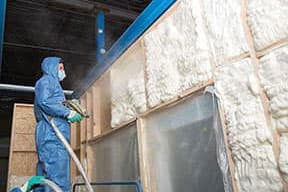
Before beginning a project, the spray insulation team will visit the homeowner’s home to measure the area and discuss their options for the installation. They will recommend a solution that fits their home and budget. The crew will then spray the foam, ideally in two layers. This will prevent sagging and swelling once it sets.
The insulation can be sprayed on attics, crawl spaces, rim joists and wall cavities in new construction or pole barns, as well as open walls in existing homes. It is typically a more disruptive project than other types of insulation, so it’s usually recommended to bundle this service with other energy-efficient projects such as replacing the windows in the home.
Once the spraying is complete, the crew will clean up the mess and leave the area looking as it did before they began the job. The homeowner may have to stay out of the home for a day or so while the spray foam is drying, but it will create an airtight and weatherproof seal that will significantly lower their energy costs.
Spray insulation is made up of two chemicals that mix together to create a thick liquid. It can be sprayed in different densities to suit various applications. A professional installer will use a special rig to apply the foam, which will have sensors and other technology that ensures the correct mixture is used every time. It is typically mixed with water to reduce the health risks associated with this product and to prevent hazardous off-gassing chemicals from forming.
Unlike fiberglass insulation, spray foam insulation is non-toxic and contains no harmful chemicals. It also contains no formaldehyde, ammonia or VOCs, making it a safer option for the home and the environment. It can be made with low GWP blowing agents such as HFOs, which have a lower global warming potential than methane and CO2 on a per-kilo basis. The most common brands of spray foam insulation include BASF Walltite CM01 and Genyk Boreal Nature, which use these lower GWP blowing agents. It is important for spray insulation companies to switch over to these low GWP products as soon as they can, to help slow down the rate of climate change.