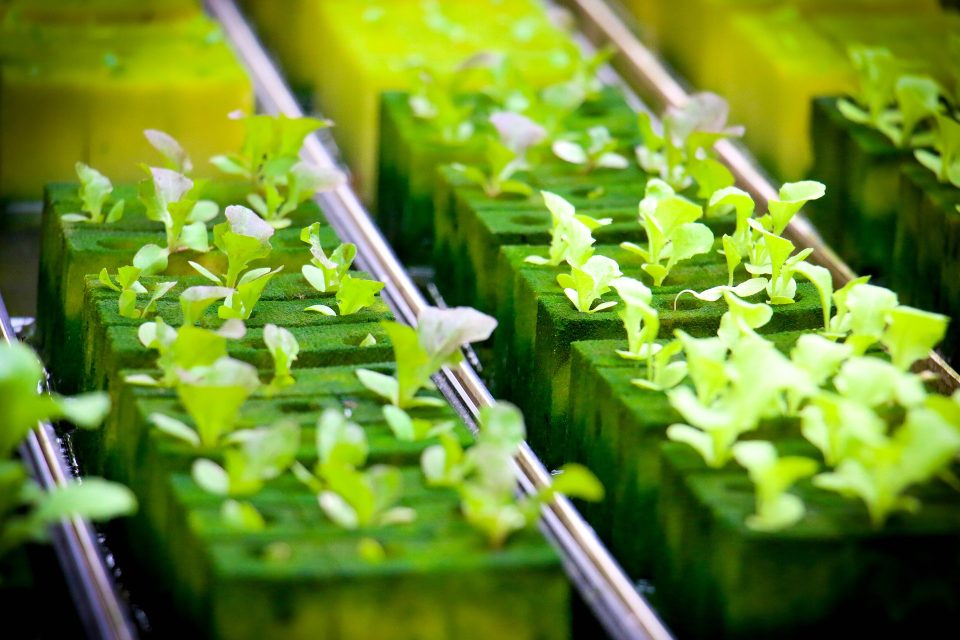
Hydroponics, a soilless cultivation method, is renowned for its resource-efficient approach to farming. One of the key sustainability aspects of hydroponics is water recycling. This innovative practice not only conserves water but also minimizes nutrient waste, making it a crucial component of environmentally responsible agriculture. In this blog post, we’ll explore the concept of hydroponic water recycling and its significance in modern farming. For more information regarding hydroponic plant one can visit our site https://hydroponicglobal.com.au/.
1. Closed-Loop Systems:
Hydroponic water recycling is founded on the principle of closed-loop systems. Unlike traditional soil-based agriculture, where water is lost to evaporation, runoff, and deep percolation, hydroponics retains water within the system. Water that is not absorbed by plants is collected, filtered, and recirculated, minimizing wastage.
2. Nutrient Conservation:
In hydroponic systems, nutrients are dissolved in the water to nourish plants. Water recycling ensures that these nutrients are conserved. Instead of being lost in the soil, as often happens in conventional farming, nutrients are captured and reused, reducing the need for frequent replenishment and minimizing nutrient runoff into natural waterways.
3. Reduced Water Usage:
Hydroponic water recycling dramatically reduces water usage compared to traditional farming. This is particularly significant in regions facing water scarcity, where every drop counts. By recycling water, hydroponic systems can thrive using up to 90% less water than traditional soil-based agriculture.
4. Water Quality Management:
Water recycling in hydroponics goes hand in hand with rigorous water quality management. Growers carefully monitor and maintain the pH levels, electrical conductivity (EC), and nutrient concentrations in the recirculating water to ensure optimal plant health. This precision minimizes waterborne diseases and nutrient imbalances.
5. pH Adjustment:
One key aspect of hydroponic water recycling is pH adjustment. Over time, the pH of the recirculating water can drift due to nutrient uptake and chemical reactions. Growers use pH buffers and pH adjustment solutions to maintain the desired pH range for plant growth, ensuring that plants can efficiently access nutrients.
6. Nutrient Solution Replenishment:
While water and nutrients are recycled, there is a need to periodically replenish nutrients as plants absorb them. However, the frequency of replenishment is significantly lower than in traditional agriculture, as most of the nutrients remain within the closed-loop system.
7. Algae Control:
Water recycling can sometimes lead to algae growth in hydroponic systems, which can disrupt plant growth and nutrient balance. Innovative solutions, such as light-blocking materials and UV sterilizers, are employed to control algae and maintain water quality.
8. Environmental Benefits:
Hydroponic water recycling has profound environmental benefits. By reducing water usage and preventing nutrient runoff, it helps conserve natural water resources and protects ecosystems from nutrient pollution. It also lessens the carbon footprint associated with water pumping and transportation.
9. Sustainable Farming Practices:
Water recycling aligns with broader sustainable farming practices. It supports the principles of responsible resource management, efficient production, and reduced environmental impact, making hydroponics a sustainable choice for modern agriculture.
10. Urban Agriculture:
Hydroponic water recycling is particularly valuable in urban agriculture, where space and resources are limited. Urban farms can thrive with minimal water usage and can be integrated into urban landscapes, contributing to local food production and reducing the need for long-distance transportation.
11. Educational Value:
Hydroponic water recycling serves as an educational tool. It demonstrates the importance of responsible resource management and the practical application of sustainable farming techniques. Many educational institutions and programs use hydroponics to teach students about water conservation and agriculture.
In Conclusion:
Hydroponic water recycling is at the heart of sustainable agriculture. It exemplifies the potential to cultivate crops efficiently, using fewer resources and with a reduced environmental impact. By closing the loop on water and nutrient use, hydroponics demonstrates how modern farming can meet the world’s food needs while preserving the planet’s vital resources.
As global challenges related to water scarcity and climate change intensify, hydroponic water recycling offers a tangible solution for the agricultural sector. It underscores the capacity of innovative farming practices to sustainably feed the world’s population while safeguarding our precious water resources.
Incorporating hydroponic water recycling into agriculture is not just a responsible choice; it’s a necessity for a more sustainable and resilient food future.